Air‑operated diaphragm pumps for ceramic slip and glaze
Ceramic slip, glazes and other dense, abrasive liquids, from the tank to the mould and the spray booth.
Ceramic
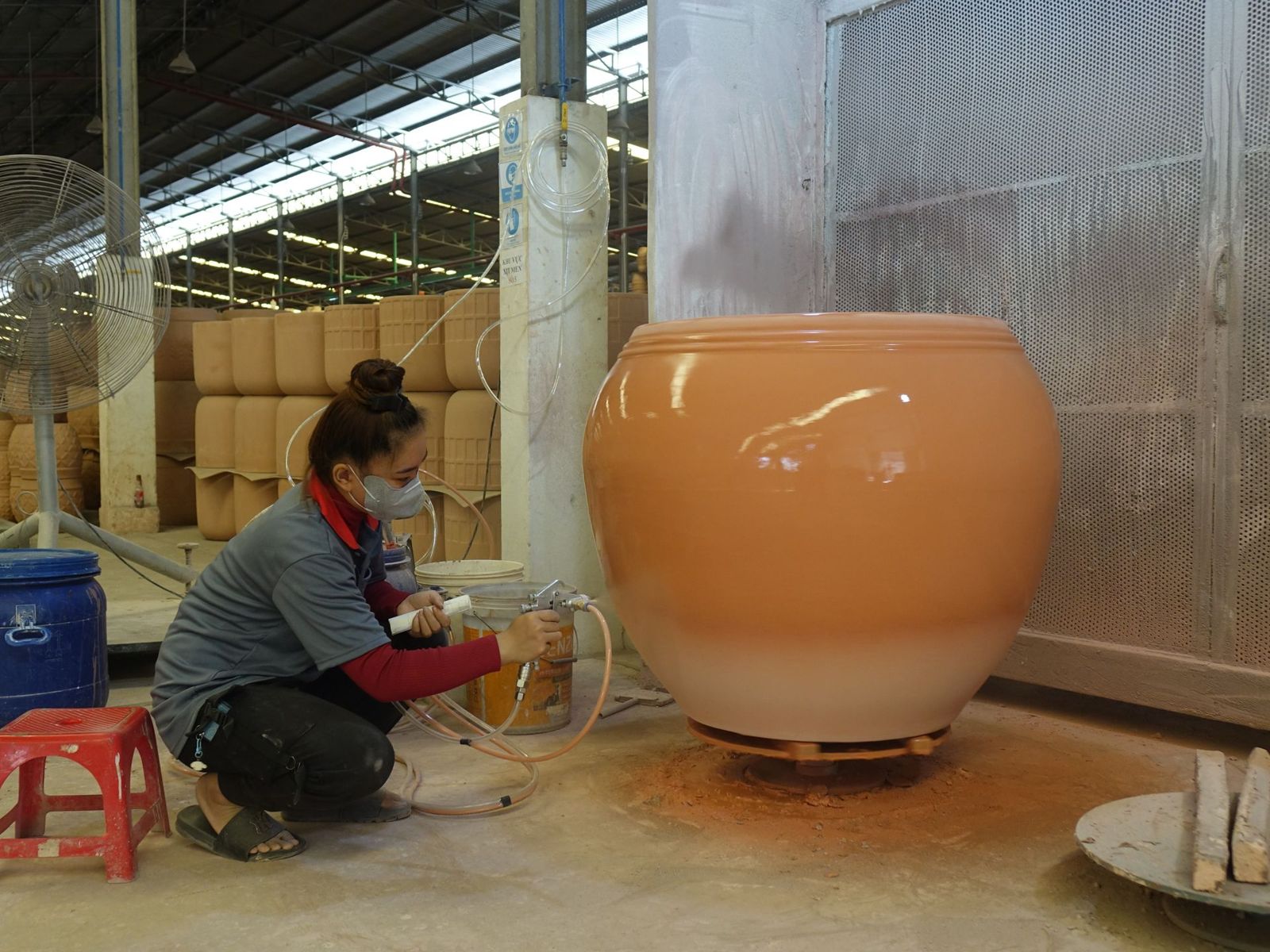
Ceramic slip and glazes are among the most demanding liquids to pump: dense, abrasive and quick to settle.
AODD pumps handle them without seals or rotors to wear, and they restart under load after a stop.
Because the air pressure sets the maximum discharge pressure, the pump fills moulds and filter presses without over-pressurising them.
Typical applications
Slip preparation
- Slip transfer from blungers and tanks
- Circulation to prevent settling
- Filter press feed
Forming
- Mould filling (slip casting)
- Pressure casting feed
Glazing
- Glaze circulation
- Spray glazing supply
- Wastewater with clay
Liquids we often handle
Pumps we often propose
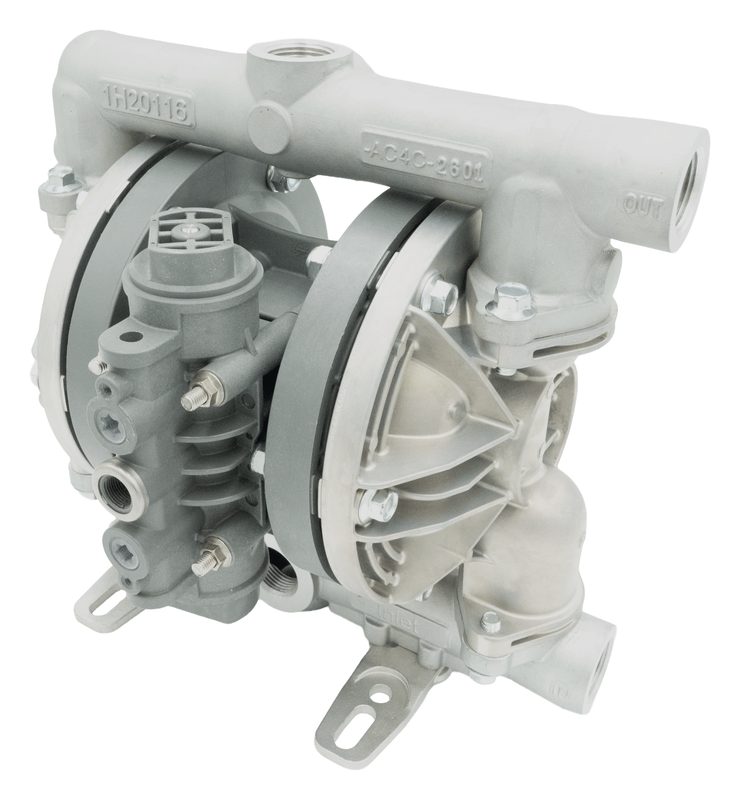
Type 250
1" pump for glaze circulation.
- Size
- 1"
- Max flow
- 220 L/min
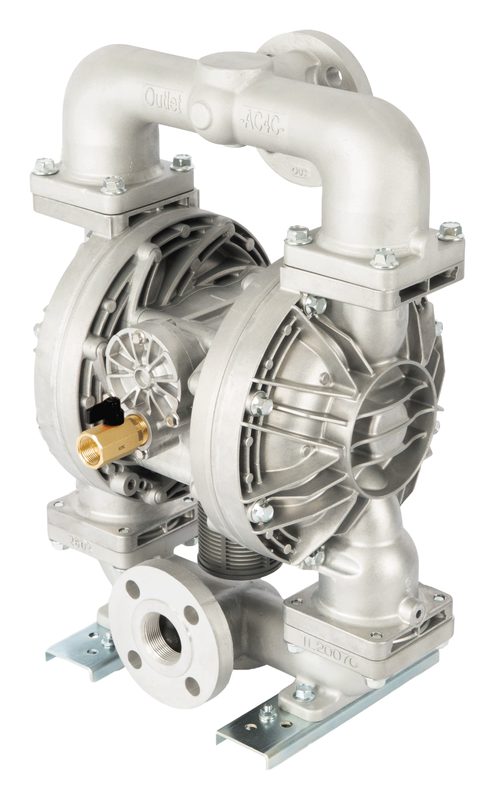
Type 400
1½" pump for slip transfer.
- Size
- 1½"
- Max flow
- 600 L/min
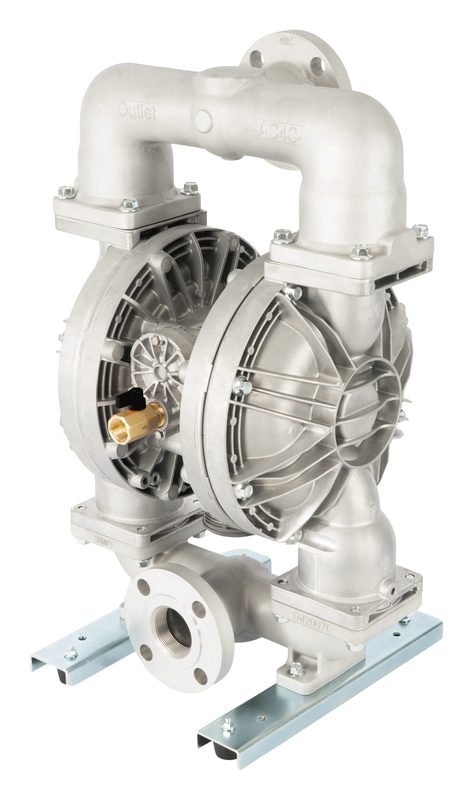
Type 500
2" pump for filter press feed.
- Size
- 2"
- Max flow
- 800 L/min
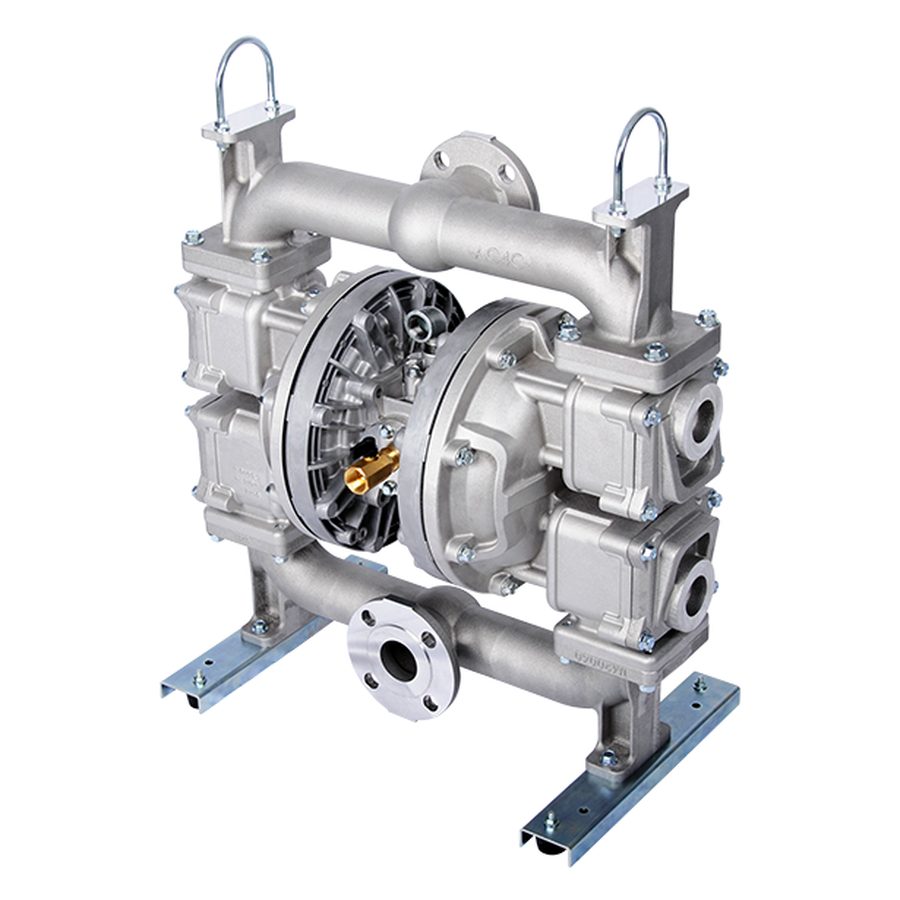
Flap valve solids pump
For coarse and settled solids.
- Size
- 2"
- Max flow
- 600 L/min
Useful accessories and guides
Why YTS
Wear‑resistant options
Valve, seat and diaphragm options for abrasive duty.
Pressure set by air
Adjust the regulator to set the pressure at the mould.
Simple service
Wear parts can be replaced quickly without removing the pump.
Wear parts
Common wear parts are stocked in the Netherlands; ask us for availability.
Compliance and documents
Questions we often get
How can I make wear parts last longer when pumping slip?
Choose wear-resistant diaphragm, ball and seat materials and keep the pump speed moderate.
Can the pump feed a filter press?
Yes. It slows as the press fills and stops at the pressure set by the air regulator.
What if the slip settles in the pump?
Where possible, keep the slip circulating during stops. AODD pumps can restart when full of slip.
Talk to an engineer
Tell us the liquid, the flow rate and the operating conditions (for example hours per day). We will reply with a pump proposal and price, usually within 5 working days.
Ask which pump fits your ceramic application.
We will reply with a model proposal and price, usually within 5 working days. Operating conditions are optional: add them if you know them.